 |
|
 |

 |
Acne / Rosacea
Rosacea is a skin disease that affects the middle third of the face, causing persistent redness over the areas of the face and nose that normally blush -- mainly the forehead, the chin and the lower half of the nose. The tiny blood vessels in these areas enlarge (dilate) and become more visible through the skin, appearing like tiny red lines (called telangiectasias). Pimples can occur in rosacea that resemble teenage acne. In fact, rosacea is frequently mistaken for acne and is also referred to as acne rosacea. Rosacea cannot be cured but it can usually be controlled with the proper, regular treatment. Smoking, food (such as spicy food) and drink (such as hot beverages and alcoholic drinks) that can cause flushing should be avoided. Acne is a skin condition which has plugged pores (blackheads and whiteheads), inflamed pimples (pustules), and deeper lumps (nodules). Acne occurs on the face, as well as the neck, chest, back, shoulders, and upper arms. Although most teenagers get some form of acne, adults in their 20s, 30s, 40s, or even older, can develop acne. Often, acne clears up after several years, even without treatment. Acne can be disfiguring and upsetting to the patient. Untreated acne can leave permanent scars; these may be treated by your dermatologist in the future. To avoid acne scarring, treating acne is important. Acne has nothing to do with not washing your face. However, it is best to wash your face with a mild cleanser and warm water daily. Washing too often or too vigorously may actually make your acne worse. Wear as little cosmetics as possible. Oil-free, water-based moisturizers and make-up should be used. Choose products that are `non-comedogenic` (should not cause whiteheads or blackheads) or `non-acnegenic` (should not cause acne). Remove your cosmetics every night with mild soap or gentle cleanser and water. Control of acne is an ongoing process. All acne treatments work by preventing new acne breakouts. Existing blemishes must heal on their own, and therefore, improvement takes time. If your acne has not improved within two to three months, your treatment may need to be changed. The treatment your dermatologist recommends will vary according to the type of acne.
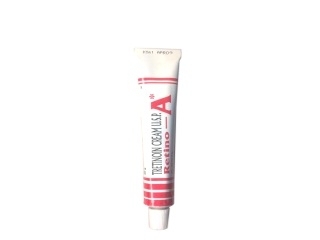
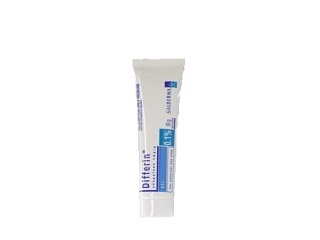
Acne/Rosacea medication :
|
|
 |