ACCUEILLIR! Sur ce site, vous trouverez des liens vers des pharmacies en ligne de confiance qui ont fait preuve d’un service client exceptionnel, garantissant toujours la meilleure qualité de génériques et de médicaments de marque.
Nous voulons faire comprendre à tous nos visiteurs que nous ne vendons pas, ne dispensons pas d’ordonnances ou n’exécutons pas de commandes de médicaments. Si vous ne pouvez pas vous permettre de consulter votre médecin pour une ordonnance, les pharmacies en ligne répertoriées ont des médecins et des pharmaciens à temps plein agréés dans leur juridiction qui fourniront gratuitement des services de télémédecine. Dans le même temps, la plupart des génériques qui ne sont disponibles dans les pharmacies classiques que sur ordonnance peuvent être achetés dans les pharmacies en ligne sans ordonnance.
Pour chaque produit, vous verrez clairement qui est le vendeur, ainsi que les options d’expédition, un numéro de service client gratuit et des informations médicales de base. Nous nous efforçons d’assurer l’exactitude de notre contenu médical, mais malgré cela, il ne doit pas être utilisé pour l’automédication, il ne doit pas remplacer l’avis d’un spécialiste : votre médecin personnel ou votre pharmacien. Pour votre propre sécurité, effectuez un examen médical complet et consultez immédiatement votre médecin avant de commencer et/ou de poursuivre tout traitement. Bien que la pratique consistant à délivrer des ordonnances via des consultations sur Internet soit largement présentée comme un service médical efficace qui permet aux patients d’économiser du temps et de l’argent, elle peut ne pas être suffisante pour certaines maladies ou affections. Tous les médicaments sur ordonnance et en vente libre ont des effets secondaires qui peuvent affecter votre santé.
Pharmacie Canadienne en Ligne
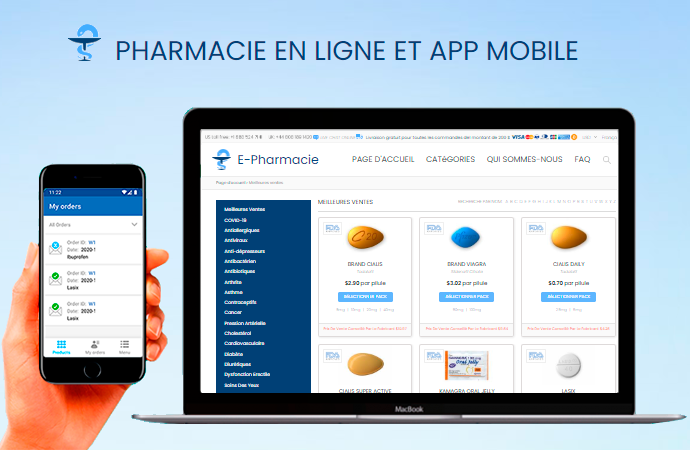
La pharmacie en ligne facilite et simplifie la commande en ligne de génériques et de médicaments originaux. Le système d’aide est un service supplémentaire très utile. D’accord, une excellente opportunité est de recevoir des informations de pharmaciens en exercice absolument gratuitement et à tout moment. Une pharmacie en ligne, tout comme une pharmacie traditionnelle, emploie des pharmaciens qualifiés pour répondre à tous vos besoins, et la santé des patients est leur priorité absolue. Pour chaque médicament vendu, il existe des documents et des certificats nécessaires. Il est important de noter que le service de nuit fonctionne sans interruption.
Pharmacie Canadienne – liste des meilleures pharmacies où vous pouvez acheter des médicaments génériques en ligne : Kamagra, Viagra et Cialis pas chers avec une livraison rapide. Réductions et offres spéciales dans les pharmacies en ligne.
Nous vous proposons de choisir en ligne des médicaments de haute qualité. Un excellent service à des prix abordables a rendu la pharmacie canadienne si populaire. Qu’est-ce qui distingue une pharmacie canadienne de ses concurrents et comment attire-t-elle des milliers de clients à travers le monde ?
- une large gamme de médicaments et des prix bas;
- livraison anonyme et rapide;
- excellent service client et programmes de fidélité.
Commander des médicaments en ligne
Certains médicaments génériques sont désormais disponibles dans les pharmacies en ligne sans ordonnance. Les pharmacies en ligne canadiennes vendent des médicaments canadiens, américains et européens, et presque toutes ont des génériques moins chers. La différence de prix entre un médicament de marque et un médicament générique peut varier de 20 % à 80 %. En règle générale, le médecin prescrit des génériques à la demande du patient, le pharmacien peut également recommander des génériques. Les mêmes médicaments dans différentes pharmacies peuvent coûter différemment, les médicaments dans les pharmacies en ligne sont beaucoup moins chers.
Commander des médicaments en ligne est très simple. Le prix des médicaments achetés en ligne est nettement inférieur à celui d’une pharmacie ordinaire. Vous pouvez acheter de gros paquets de médicaments, c’est très rentable. Contrairement aux pharmacies locales, dans une pharmacie en ligne, plus le conditionnement est grand, plus le prix par comprimé ou gélule est bas.
Souvent, à la recherche des médicaments nécessaires, nous sommes confrontés au manque de certains médicaments dans les pharmacies locales. Pour les jeunes mères, les personnes âgées et les personnes occupées, il est important de commander des médicaments en ligne avec livraison à domicile. La pharmacie en ligne deviendra votre assistante fiable. C’est pourquoi l’achat de médicaments en ligne est si populaire aujourd’hui.
Canada a approuvé le format de la Classification nationale des médicaments. Selon ce format, tous les médicaments vendus en pharmacie sont répartis en 3 groupes :
- médicaments d’ordonnance;
- les médicaments qui peuvent être achetés sur recommandation d’un pharmacien, sans choix pour le consommateur ;
- médicaments en vente libre que le patient peut choisir sans consulter un pharmacien.
Le haut niveau de commodité des pharmacies en ligne vous permet d’affiner la liste des médicaments disponibles et de comparer les prix. Commander des médicaments avec livraison à domicile est sûr et peu coûteux. À tout moment de la journée, dès que les spécialistes en pharmacie reçoivent une commande, ils étudient attentivement tous les médicaments et le dosage et forment un petit paquet. Le colis sera livré à l’heure qui vous convient à votre domicile ou à un autre endroit de votre choix. Toutes les commandes sont envoyées dans n’importe quel pays du monde dans un emballage anonyme.
Quelles règles sont utilisées pour vendre des médicaments en ligne ?
Les pharmacies en ligne sont devenues particulièrement populaires pendant la pandémie, et la tendance ne diminue pas en 2023. Aujourd’hui, il est difficile d’imaginer une chaîne de pharmacies sans ses propres sites Web, ses entrepôts de commandes et ses contrats avec la poste. Les chaînes de pharmacies au Canada ont généralement leur propre site Web pour vendre des médicaments et passer des commandes. Ils ont signé un contrat avec un service de messagerie et ont des certificats et l’autorisation de vendre de la drogue via Internet. Les cyberpharmacies concluent des accords avec des agrégateurs, c’est-à-dire avec des systèmes de réservation en ligne et d’achat en ligne de médicaments.
Certains marchés peuvent également offrir la possibilité de vendre des médicaments en ligne, principalement les grands détaillants en ligne. Toute pharmacie disposant d’un site Web et/ou d’une application doit être certifiée pour vendre des médicaments en ligne. Par exemple, Ozon a obtenu des licences pharmaceutiques pour plusieurs pharmacies, lui permettant de vendre légalement des médicaments en vente libre sur son site Web. Les prix des médicaments dans les pharmacies en ligne ne sont pas supérieurs aux prix fixés dans les pharmacies. Ce n’est pas l’agrégateur et la plateforme en ligne qui est responsable des conditions de stockage et de la qualité des médicaments, mais la pharmacie qui a fourni le médicament pour la vente en ligne. L’agrégateur ou la plateforme en ligne est tenu d’afficher sur le site non seulement les caractéristiques du médicament et son prix, mais également les contacts de la pharmacie – son numéro de téléphone et le nom de l’employé de la pharmacie chargé d’accepter la commande en ligne.
La commande de médicaments sur Internet est un grand avantage pour les villages où il n’y a que de petites pharmacies. Tout ce qu’ils pouvaient se permettre auparavant était un service de réservation de médicaments par téléphone. Mais je devais quand même récupérer les médicaments personnellement. Les patients des villages et des petites villes ont une excellente alternative : les pharmacies en ligne avec livraison de médicaments. Désormais, les habitants des petites villes pourront commander la livraison du médicament par coursier directement à leur domicile.
Des frais de livraison peuvent s’appliquer et certaines pharmacies canadiennes offrent la livraison gratuite. En conséquence, le médicament coûtera moins cher au consommateur s’il l’a acheté dans une pharmacie en ligne, ou beaucoup moins cher.
Vous ne pouvez acheter en ligne que des médicaments en vente libre, tels que:
- analgésiques : Ibuprofène, Zyloprim, Allopurinol, Motrin;
- génériques en vente libre pour le traitement de la dysfonction érectile: Kamagra Oral Jelly, Viagra Super Active, Cialis Professional, Cialis Super Active, Cenforce;
- médicaments pour le traitement de l’éjaculation précoce: Priligy, Dapoxétine;
- médicaments pour la santé masculine: Propecia, Clomid;
- diurétiques: Lasix, Furosémide;
le médicament antiépileptique Gabapentin (Neurontin); - Synthroïde (Lévothyroxine) pour le traitement de l’hypothyroïdie;
- Glucophage (Metformin) – médicament pour le traitement du diabète sucré;
- Collyre Lumigan (Bimatoprost) pour le traitement du glaucome et la diminution de la pression intraoculaire.
Si une personne a une ordonnance, vous pouvez acheter des médicaments sur ordonnance en ligne, y compris des psychotropes, des antibiotiques et antibactériens: Amoxil, Zithromax, Doxycycline, Augmentine; des médicaments originaux contre l’impuissance : Cialis, Viagra, Levitra.
Tous les médicaments sur ordonnance ne seront pas disponibles à la vente en ligne. Les restrictions s’appliquent aux stupéfiants, aux psychotropes et aux médicaments puissants, aux médicaments immunobiologiques, ainsi qu’aux médicaments qui nécessitent un stockage et une livraison à température spéciale. Ainsi, par exemple, l’insuline ne peut pas encore être commandée à domicile.
Vente de médicaments sur Internet
De plus en plus de gens font confiance pour acheter des médicaments avec livraison. Commandez des médicaments en ligne dans une pharmacie canadienne avec livraison en France et soyez satisfait du service. Dans les pharmacies en ligne canadiennes, presque personne ne demande d’ordonnance, et s’ils le font, ils se contentent de la réponse verbale « J’ai une ordonnance ». Les activités des pharmacies en ligne sont strictement contrôlées, ainsi que le travail des pharmacies conventionnelles, y compris conformément à la législation sur le e-commerce. Si un médicament ne peut être acheté sans ordonnance, il ne sera probablement pas disponible dans une pharmacie en ligne au Canada. Vous ne trouverez pas de médicaments psychotropes sur ordonnance ni de contraceptifs sur ordonnance. Si le médicament est un médicament délivré sur ordonnance, il n’est généralement pas disponible dans le catalogue en ligne de la pharmacie.
Le niveau de service canadien dans une pharmacie en ligne est impressionnant : la commande complétée est immédiatement envoyée pour livraison. Il existe plusieurs types de livraison rapide de médicaments à partir d’une pharmacie canadienne – livraison express et livraison aérienne.
Avis sur les pharmacies en ligne
Des milliers d’avis positifs de clients sur les pharmacies canadiennes confirment la fiabilité de l’achat de médicaments en ligne. Nos clients économisent des centaines de dollars en commandant des médicaments auprès de pharmacies au Canada. Acheter des médicaments, des produits de santé et de beauté dans les pharmacies en ligne canadiennes dépassera toutes vos attentes, car le service de pharmacie canadien répond aux normes les plus élevées!
Des produits de qualité d’une pharmacie en ligne avec une livraison fiable. Gagnez du temps et de l’argent en achetant des médicaments de santé et de bien-être dans les pharmacies en ligne canadiennes. En plus de la procédure d’achat standard sur le site Web de la pharmacie, vous pouvez passer une commande en appelant le centre d’appel gratuit.
Nos pharmaciens professionnels et sympathiques attendent votre appel. Vous recevrez certainement des conseils détaillés sur le traitement. Vous pouvez également discuter immédiatement de la question de la livraison de la commande. Les pharmacies peuvent livrer votre commande à un endroit qui vous convient – domicile, clinique, bureau, hôtel. Le système d’achat de médicaments en ligne vous permet de passer une commande sans appeler l’opérateur. Le système d’organisation des marchandises sur le site rend le processus de commande très pratique et intuitif. Sélectionnez simplement un article et placez-le dans votre panier en cliquant sur le bouton « Ajouter au panier ».
Codes promo en pharmacies et pilules gratuites
A ce stade, un joli bonus vous attend dans le panier. En règle générale, il s’agit de petits paquets de médicaments du groupe pour le traitement de la dysfonction érectile. Il peut s’agir, par exemple, de 4 comprimés de Viagra 100 mg ou de Cialis 20 mg. De nombreuses pharmacies offrent plus lors de l’achat de médicaments à partir de 150 $ – un ensemble de plusieurs types de pilules gratuites. Il y a trois médicaments populaires dans l’emballage : Cialis, Viagra et Levitra. Vous pouvez également appliquer le coupon de réduction directement sur la page de paiement. Une fois que vous avez décidé du choix du médicament principal et du bonus gratuit supplémentaire, vous serez transféré vers un centre de paiement sécurisé. Cette page utilise le protocole SSL (Secure Sockets Layer) qui garantit un échange sécurisé des données avec le système de paiement électronique. Les pharmacies en ligne certifiées suivent des directives strictes pour s’assurer que leurs clients se sentent en sécurité.
- Cialis (tadalafil) 5 mg, 10 mg, 20 mg
 Cialis acheter en ligne au Canada, avis et description complète Le Cialis est l’un des médicaments les plus populaires et les plus efficaces pour le traitement de la dysfonction érectile chez l’homme. Grâce à...
 - Kamagra Gelée Orale (Kamagra Oral Jelly)
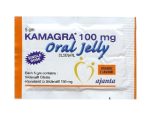 Kamagra Oral Jelly est un médicament générique destiné au traitement des troubles de l’érection. Il contient 100 mg de sildénafil citrate, la même molécule active que dans le Viagra. Sa particularité est son format...
 - Kamagra Gelée Orale
 Gelée orale au goût d’ananas et d’orange en 50 mg et 100 mg Composition :5 g de gelée contiennent : Acheter Kamagra Oral Jelly sans ordonnance Kamagra Oral Jelly 100mg pas cher – Acheter Kamagra en...
 - Viagra vs Kamagra : Quel Médicament Est Fait Pour Vous ?
 Aspects comparatifs Kamagra Viagra Ingrédient actif Sildenafil Sildenafil Dosages disponibles 50 mg, 100 mg 25mg, 50 mg, 100 mg Temps d’action 10-20 minutes (Gel) 30-40 minutes (Comprimé) 30-40 minutes Durée d’effet 4-6 heures 4-6...